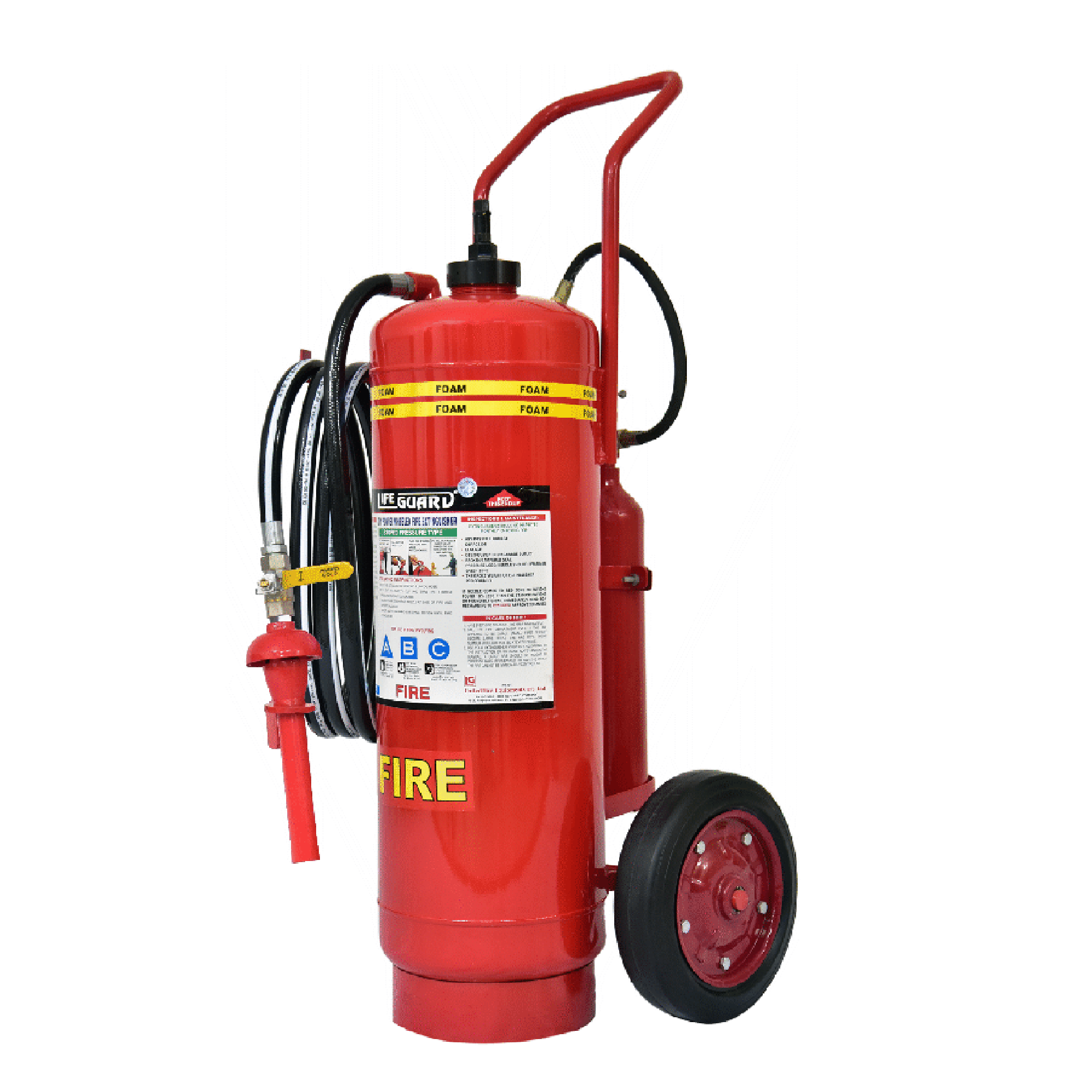

Air Vessels & Air Release Valves Supplier India | LIFEGUARD®
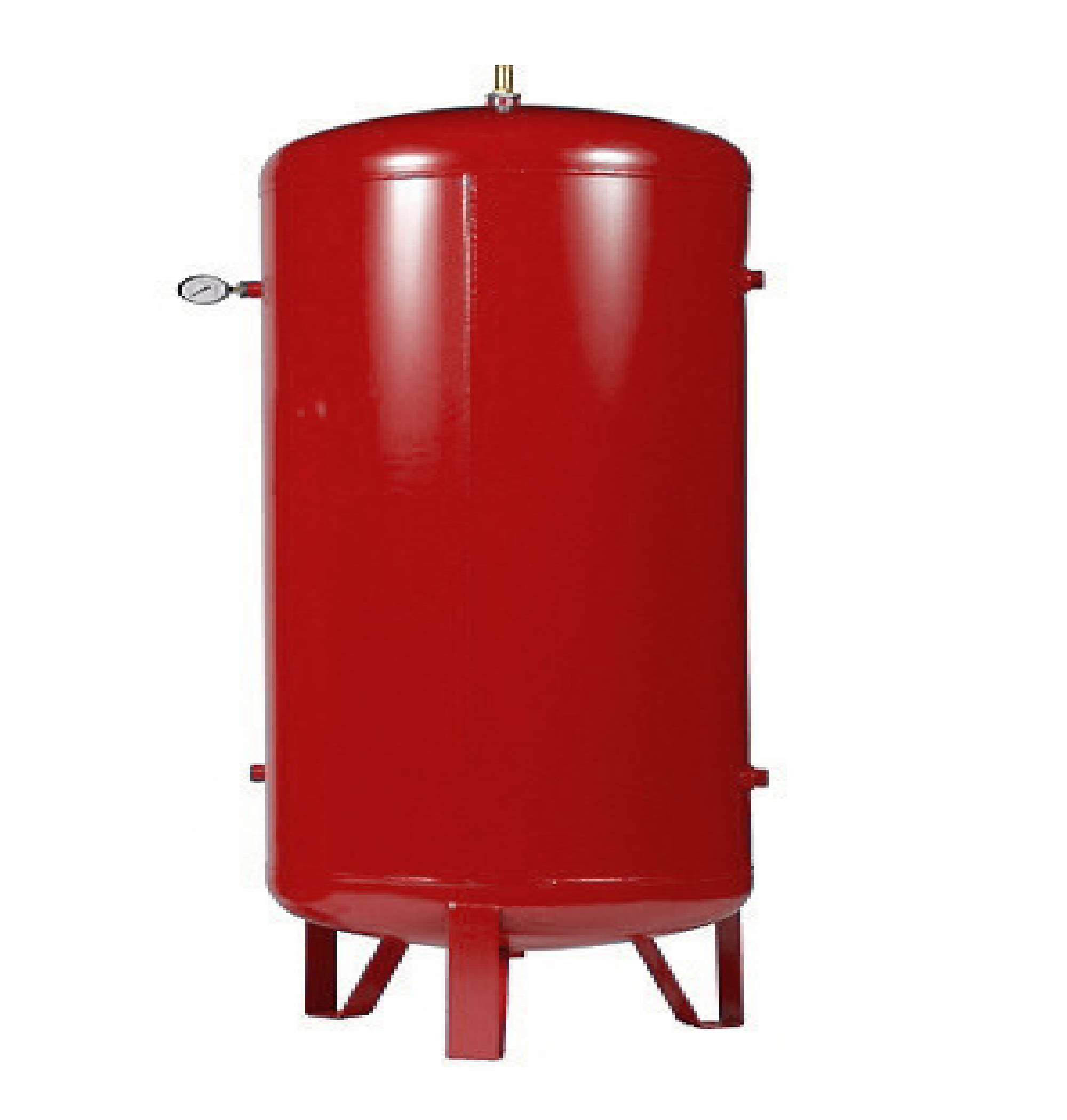
LIFEGUARD® Air Vessels & Air Release Valves
Fire Protection Equipment | Hydrant Systems | Industrial Piping Solutions
Website Page Content for LIFEGUARD® Official Website
Air Vessels & Air Release Valves for Fire Hydrant Systems and Industrial Water Networks
Reliable water distribution is a critical part of effective fire protection infrastructure. Fire hydrant systems, firefighting pump installations and industrial water pipelines depend on correctly selected components to support stable system operation, pressure management and dependable water delivery.
LIFEGUARD® Air Vessels & Air Release Valves, from United Fire Equipments Pvt. Ltd. (UFEPL), can be specified as part of suitable fire protection and water distribution installations, subject to the system design and product specifications.
Air vessels and air release valves perform different but complementary functions in pressurised piping systems. An air vessel is a pressure-containing component used in applications such as pressure stabilisation, surge mitigation or maintaining system pressure, depending on its design. An air release valve is designed to discharge accumulated air from a pipeline under specified operating conditions. Correct selection and placement of these components can contribute to the reliable operation of appropriately engineered water systems.
LIFEGUARD® serves the fire safety equipment market with products and solutions for industrial, commercial, institutional and infrastructure applications. Our product portfolio is relevant to project consultants, fire protection contractors, MEP consultants, EPC companies, industrial facility managers, building developers and procurement teams seeking suitable fire protection equipment and system components.
What Is an Air Vessel?
An air vessel is a pressure vessel designed to contain air or gas, or an air-water interface, depending on its construction and operating principle. In certain pumping and piping applications, the compressibility of the gas helps absorb pressure fluctuations and reduce the effects of sudden changes in flow.
In a suitably designed system, an air vessel may help reduce pressure surges, smooth pump discharge fluctuations and support pressure stability. Its precise function depends on whether it is designed as a hydropneumatic vessel, surge vessel, pulsation dampener or another type of pressure vessel.
Air vessels may be used in selected fire pump installations, water supply networks, industrial pumping systems and other pressurised fluid-handling applications where the hydraulic design calls for them.
Key Functions of Air Vessels
Pressure fluctuation control: Helps moderate pressure variations in appropriately designed systems.
Surge mitigation: Can reduce the effects of transient pressure changes when correctly sized and installed.
Pulsation dampening: Certain designs help reduce flow and pressure pulsations generated by specific pump types.
Pressure management: Hydropneumatic designs can support pressure control in applications for which they are engineered.
System performance support: Helps improve hydraulic operating conditions when integrated into a suitable piping and pumping arrangement.
Important: An air vessel is not automatically required in every fire hydrant system. Its purpose, capacity, pressure rating and configuration must be established by the system designer.
What Is an Air Release Valve?
An air release valve is a pipeline valve designed to automatically discharge accumulated air from a pressurised water system. Air may enter a pipeline during filling, maintenance, draining or certain operating conditions. If trapped at unsuitable locations, it can interfere with hydraulic performance and complicate system operation.
Air release valves are installed at selected points, often at pipeline high points, where air accumulation is anticipated. Their suitability depends on pipeline geometry, operating pressure, flow conditions and the valve's design.
Air release valves should be distinguished from air/vacuum valves and combination air valves, which perform additional functions such as releasing large volumes of air during pipeline filling and admitting air during draining or vacuum conditions.
Key Functions of Air Release Valves
Automatic air discharge: Releases accumulated air from a water-filled pipeline under the valve's operating conditions.
Support for hydraulic performance: Helps manage air accumulation that may interfere with water flow.
Pipeline operation: Supports appropriate air management during normal operation.
System reliability: Helps reduce operational problems associated with trapped air when correctly specified and maintained.
Maintenance support: Can assist air management during filling and commissioning when the selected valve type is appropriate for the task.
An air release valve does not replace a pressure relief valve, and it must not be relied upon to protect a pipeline from excessive pressure unless a separate device is specifically designed and approved for that function.
Difference Between Air Vessels and Air Release Valves
Feature | Air Vessel | Air Release Valve |
|---|---|---|
Primary function | Pressure fluctuation management, surge mitigation or pressure support, depending on design | Discharge of accumulated air from a pipeline |
Typical construction | Pressure vessel designed for a specified operating duty | Automatic or appropriately operated valve assembly |
Installation | Usually associated with a pump station or designated piping location | Often installed at suitable pipeline high points |
Operating principle | Uses a designed gas volume or vessel configuration to perform its intended hydraulic function | Opens under specified conditions to discharge air |
Selection criteria | Volume, pressure rating, hydraulic duty and vessel design | Pressure range, air discharge capacity, connection size and valve type |
Maintenance | Vessel inspection, pressure integrity checks and design-specific servicing | Inspection of moving parts, seals, float mechanisms and discharge openings |
Both components can be important in selected water systems, but they are not interchangeable. Each must be selected for its intended function.
Applications of Air Vessels & Air Release Valves
LIFEGUARD® product enquiries for air vessels and air release valves may relate to the following applications, subject to the company's actual product offering and project specifications.
1. Fire Hydrant Systems
Fire hydrant installations use interconnected pipes, pumps, valves and designated firefighting outlets. Where required by the hydraulic design, suitable air management or pressure control components may be included to support system performance.
2. Fire Pump Installations
Pump stations may require specifically designed pressure vessels or surge control arrangements depending on the pump type, system configuration and hydraulic analysis.
3. Industrial Water Distribution Networks
Industrial plants use pressurised pipelines to distribute water across production, utility and service areas. Appropriate air management can support reliable operation and maintenance.
4. Commercial and High-Rise Buildings
Large buildings may have complex water distribution and firefighting networks. Components should be selected according to the system design, building requirements and applicable regulations.
5. Water Treatment and Water Supply Projects
Water treatment plants, pumping stations and distribution networks may use automatic air release valves to manage air accumulation at suitable locations.
6. Infrastructure and EPC Projects
Infrastructure developers, engineering consultants and EPC contractors may require air vessels and air release valves as part of a wider piping, pumping or water management package.
How to Select the Right Air Vessel
Air vessels must be selected according to their intended hydraulic duty and applicable pressure vessel requirements. Important considerations include:
Design pressure and operating pressure: The vessel must be rated for the applicable system conditions.
Required vessel volume: Determine through hydraulic calculations and the intended function.
Operating temperature: Ensure suitability for the fluid and surrounding conditions.
Material and corrosion protection: Select materials and coatings appropriate to the fluid, environment and service life requirements.
Connection size and configuration: Confirm compatibility with the piping arrangement.
Pressure vessel compliance: Verify applicable design codes, statutory requirements, inspection provisions and certification.
Maintenance access: Provide safe access for inspection, testing and servicing.
Where an air vessel is intended for surge mitigation, its sizing and configuration should be established through an appropriate hydraulic transient analysis rather than a general-purpose selection alone.
How to Select the Right Air Release Valve
Selecting an air release valve requires an understanding of pipeline operating conditions and the type of air management required.
Valve type: Determine whether an air release valve, air/vacuum valve or combination air valve is required.
Operating pressure: Select a model compatible with the minimum and maximum operating pressures.
Air discharge capacity: Verify that the valve can handle the expected air release requirement.
Pipeline diameter and connection: Match the valve to the system design.
Body and internal materials: Consider corrosion resistance, fluid compatibility and environmental conditions.
Installation location: Identify suitable high points and other locations based on pipeline geometry.
Maintenance requirements: Confirm access for inspection, cleaning and replacement of internal components.
Applicable standards: Verify compliance with the project specification and relevant valve standards.
Correct installation is essential. Improperly selected or positioned valves may fail to release air effectively or may introduce other operational issues.
Why Choose LIFEGUARD® for Fire Protection Equipment Requirements?
United Fire Equipments Pvt. Ltd. has been associated with the LIFEGUARD® fire safety brand since 1991. The company serves industrial, commercial, institutional and infrastructure markets through its fire safety equipment portfolio.
Manufacturing experience: LIFEGUARD® has a long-standing presence in the fire safety equipment sector.
Quality management: UFEPL reports ISO 9001:2015 and ISO 45001:2018 certifications and applicable BIS licences for specified products. Any product-specific certification must be verified against the exact model and intended application.
Industrial project focus: The company supports enquiries from contractors, consultants, industrial buyers, facility managers and institutional procurement teams.
Project-based evaluation: Customers can share technical datasheets, drawings, BOQs and applicable standards to help establish the appropriate scope of supply.
Integrated fire protection perspective: Air vessels and air release valves should be considered within the wider hydraulic and fire protection design rather than as isolated components.
Please confirm current availability, manufacturer details, technical specifications and certification status for the particular air vessel or air release valve before publishing it as a LIFEGUARD® product.
Frequently Asked Questions (FAQs)
1. What is the purpose of an air vessel in a pumping system?
An air vessel may help manage pressure fluctuations, mitigate hydraulic surges or support pressure control, depending on its design and intended duty.
2. What does an air release valve do?
An air release valve automatically discharges accumulated air from a pressurised pipeline under specified operating conditions.
3. Are air vessels and air release valves the same?
No. An air vessel is a pressure-containing component designed for a particular hydraulic function, while an air release valve is designed to discharge accumulated air from a pipeline.
4. Are air release valves required in fire hydrant systems?
Not in every installation. Their use and location depend on the pipeline arrangement, hydraulic design, applicable standards and project requirements.
5. What is the difference between an air release valve and an air/vacuum valve?
An air release valve generally discharges smaller quantities of accumulated air during pressurised operation. An air/vacuum valve is designed to admit or discharge larger quantities of air during pipeline filling, draining or specified pressure conditions. Combination valves perform multiple functions.
6. How is an air vessel sized?
Sizing depends on the vessel's intended purpose, system pressure, pump characteristics, flow conditions and hydraulic calculations. Surge-control applications may require a detailed transient analysis.
7. How can I obtain a quotation for air vessels and air release valves?
Contact United Fire Equipments Pvt. Ltd. with the required specifications, operating pressure, connection size, application, quantity, applicable standards and project location.
Contact LIFEGUARD® – United Fire Equipments Pvt. Ltd.
Manufacturer of ISI Certified Fire Safety Equipment
Phone: 8048034226
Email: ufe126@gmail.com
Email: info@lifeguardindia.in
Website: www.lifeguardindia.in
Factory: B-38, Mangolpuri Industrial Area, Phase II, New Delhi – 110034, India
Office: K-960, LIFEGUARD Tower, Rithala, Opp. SBI, Rohini, New Delhi – 110085, India
Contact LIFEGUARD® for fire protection equipment enquiries, project specifications and technical coordination for suitable system components.